
Best Essentials for New Puppy Owners: 2026 Checklist
Table of Contents
- The New Puppy Checklist: What Actually Matters Before Day One
- Puppy Supplies Checklist: Crate, Bed, and Safe Sleeping Space
- Puppy Food and Water Bowls: Setting Up the Feeding Area
- Puppy Training Essentials: Treats, Pads, and Positive Reinforcement
- Walking Gear: Collar, Harness, Leash, and ID Tag
- Grooming, Cleanup, and Everyday Care Supplies
- Essentials by Puppy Age, Size, and Breed
- First-Week Setup and Vet Preparation
- Frequently Asked Questions
Last Updated: October 12, 2026
The New Puppy Checklist: What Actually Matters Before Day One
Bringing home a new puppy is rewarding, and also one of the easiest ways to waste money on things your dog will never touch. At Wooflies, nearly every first-time owner asks the same question: what do I actually need before the puppy walks through the door? The answer is shorter than most shopping lists suggest.
That distinction matters more than most guides admit. Walk through any pet store and the shelves are stacked with items marketed as must-have supplies, yet a large share of them sit unused within a month. The American Kennel Club's new puppy checklist puts the true basics into a short list, and that gap between marketing and reality is where new owners overspend.
Below, we break down the essentials by category, explain what to skip, and show you how to prioritize your budget so the money goes where it counts.
Needs Versus Nice-to-Haves
A need protects your puppy's health, safety, or basic comfort in the first week. A nice-to-have improves convenience or matches a trend. Chew toys, a properly sized crate, and food and water bowls are needs. A designer raincoat or a second bed for a room your puppy never enters are not.
Most new owners buy too much of the wrong thing and too little of the right thing. Buy the essentials first, live with your puppy for two weeks, then fill gaps based on what you observe.
| Item | Need or Nice-to-Have | Why It Matters |
|---|---|---|
| Crate or safe sleeping space | Need | Safety, house training, and a place to settle |
| Food and water bowls | Need | Daily feeding and hydration |
| Collar or harness and leash | Need | Safe walks and identification |
| ID tag | Need | Fast return if your puppy slips out |
| Chews and a few toys | Need | Teething relief and enrichment |
| Grooming basics | Need | Coat, nails, and dental care |
| Second bed, raincoat, stroller | Nice-to-have | Convenience only |
Puppy Supplies Checklist: Crate, Bed, and Safe Sleeping Space
The single most important purchase for a new puppy is a safe place to sleep. A crate gives your puppy a den-like space that supports house training and prevents destructive chewing overnight. Choose one your puppy can stand up and turn around in, and use a divider if you buy a size meant for the adult dog.
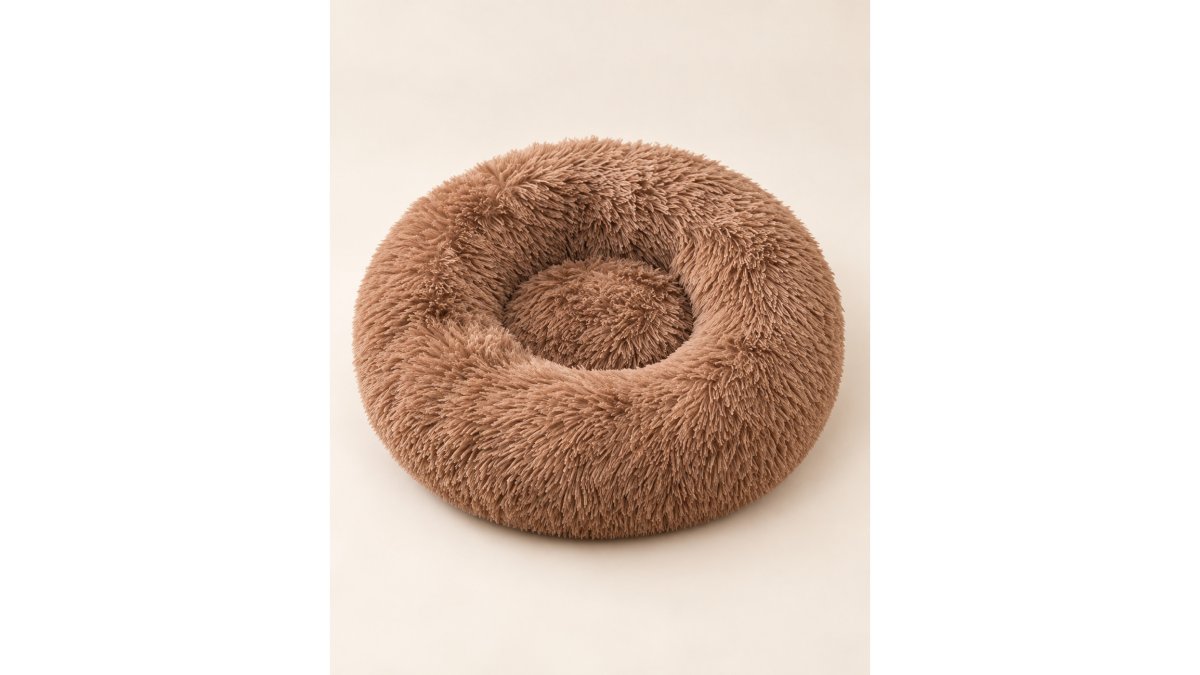
For daytime resting, a bed adds comfort. Our Plush Donut Pet Bed measures approximately 50 cm across and suits cats and small dogs who like to curl up. Measure your puppy while curled up before ordering, since the usable area inside the rim is smaller than the outer size.
Puppy Food and Water Bowls: Setting Up the Feeding Area
Feeding gear is where small choices pay off. You need one food bowl, one water bowl, and a mat or towel underneath to catch spills. Stainless steel or ceramic bowls are easier to clean than plastic, and heavier bowls resist tipping.
If your puppy eats too fast and then vomits or gulps air, a slow feeder helps. Our Slow Feeder Pet Bowl uses raised ridges to spread food into smaller sections, encouraging a slower pace. Spread the usual portion around the ridges and supervise the first few meals.
For enrichment at mealtime, a Drawstring Snuffle Mat turns a handful of kibble into a sniffing activity. It opens to roughly 48 x 48 cm and gathers into a bowl shape for storage. Use it on a level floor under supervision, and remove it if your puppy starts chewing the fabric or cord.
Puppy Training Essentials: Treats, Pads, and Positive Reinforcement
Training supplies are simple, but how you use them decides whether they work. You need small, soft treats, a marker signal (a clicker or a consistent word like "yes"), and a plan built on positive reinforcement. Our Wellness Grain Free Puppy Training Treats are bite-sized and made for puppies under one year, so they won't fill your puppy up before mealtime.
A common mistake is treating training as a separate event. In the first week, training is woven into every interaction: feeding, potty breaks, crate time, and gentle handling. Keep sessions under five minutes, end while your puppy is still eager, and repeat two or three times a day.
Puppy pads belong in the early weeks, not forever. Use them near the door as a stepping stone toward outdoor toileting, and move them closer to the exit each week. The Humane Society's puppy training guidance is clear that consistency and timing matter more than any specific product.
For teething relief, offer a few safe chews rather than a basket of toys. Rotate three or four items and keep the rest out of reach so they stay novel. Hard chews that do not give slightly under pressure can crack puppy teeth; very soft chews can be swallowed too quickly. Match the chew to your puppy's size and check it daily for wear.
Walking Gear: Collar, Harness, Leash, and ID Tag
Walking gear should fit before your puppy ever steps outside. A collar carries identification, but a harness is safer for leash training because it takes pressure off the neck. Our Step-In Dog Harness Bundle comes with a matching rope leash and is built with a heavy-weight webbing core, four layers of fabric, and triple-stitched stress points.

For open-space training, a longer line gives your puppy room to explore while staying under control. The 4.5 m Rope Dog Training Lead has a padded foam handle and does not retract, so keep slack rope clear of feet and never use it as a tie-out.
Step-In Dog Harness Bundle – Sky Blue (2 Pieces) →

Identification is non-negotiable. A Genie Pet Tag carries a QR code that, when scanned, emails you the GPS location and lets a finder reach your emergency contacts. You can update your address and phone number any time, and no app or subscription is required.

Grooming, Cleanup, and Everyday Care Supplies
Grooming needs vary more by coat type than by breed name.
Nails are the part most owners avoid. Trim only the tips every one to two weeks, using a treat between each nail so the experience stays positive.
Dental care is easiest when it starts early. Our ELAIMEI Bamboo Pet Toothbrush Set includes three brush heads for plaque removal, and starting with a few seconds of brushing each day builds tolerance fast.
Cleanup supplies matter more than most owners expect. Our compostable dog poop bags are certified to EN 13432 and come as 105 bags across seven rolls with a dispenser.
For outings, a Portable Dog Water Bottle with Food Cup holds 320 mL of water and 180 mL of dry food, with a paw-shaped tray your puppy can drink from. Rinse it before first use and after every trip.
Essentials by Puppy Age, Size, and Breed
Your puppy's age, adult size, and breed change what you buy and when. A toy breed needs a smaller harness and a lighter leash than a large-breed puppy, even at the same age. A puppy under eight weeks is not ready for walks, so gear can wait. A puppy over twelve weeks needs walking equipment and a training lead almost immediately.
Size guides are a starting point, not a guarantee. Our harness sizing uses chest girth because weight estimates vary between breeds. If your measurements land at the top of a size range, go up one size to allow for growth. For breeds prone to joint issues, ask your vet before choosing a harness style.
| Puppy Stage | Priority Purchases | Can Wait |
|---|---|---|
| Under 8 weeks | Crate, bedding, bowls, puppy pads | Walking gear, long lead |
| 8 to 12 weeks | Collar, ID tag, short leash, treats | Grooming kit, travel bottle |
| 12 to 20 weeks | Harness, training lead, chews, toothbrush | Second bed, extras |
| 5 months and up | Full-size harness, waste bags, grooming set | Replacement toys as needed |
First-Week Setup and Vet Preparation
The first week sets the tone. Before your puppy arrives, puppy-proof one room, remove cables and small objects, and set up the crate in a quiet spot. Keep the first days calm with limited visitors and short, gentle handling sessions.
Book a vet visit within the first few days. Bring any records from the breeder or shelter, ask about a vaccination and deworming schedule, and discuss microchipping. According to the AVMA's guidance on microchipping pets, a microchip plus a visible ID tag gives the best chance of a fast reunion if your puppy gets out.
At Wooflies, we keep our range focused on the items that genuinely help: durable toys, practical feeding accessories, and everyday care products. Start with the essentials, add as you learn your puppy's habits, and you will spend less and get more.
The first week with a new puppy is equal parts joy and logistics, and having the right supplies in place removes most of the stress before it starts. Wooflies offers a curated selection of pet care essentials, including feeding accessories like our slow feeder bowl and portable water bottle, durable walking gear such as our step-in harness bundle, and everyday care items like our bamboo toothbrush set and compostable waste bags.
Frequently Asked Questions
What supplies do you need before bringing a puppy home?
Have a crate or safe sleeping space, a bed, two bowls, puppy-formula food, a collar with an ID tag, a harness and leash, training treats, chew toys, puppy pads, waste bags, and basic grooming tools ready before pickup. Set up the feeding area and sleeping spot in advance so the puppy's first hours are calm. A written new puppy checklist helps you avoid a last-minute dash to the store on day one.
What are the most important essentials for a new puppy?
The non-negotiables are a safe sleeping space, a crate, puppy food and water bowls, a collar with identification, a harness and leash, training treats, and chew toys for teething. Cleanup supplies like puppy pads and waste bags matter just as much in the first weeks. Everything else, such as extra toys or grooming upgrades, can wait until you know your puppy's size and habits.
What food and feeding supplies does a new puppy need?
You need puppy-formula food, a food bowl, and a water bowl at minimum. A slow feeder or snuffle mat can help puppies that eat too fast or need mealtime enrichment. Keep the feeding area in one fixed spot and wash bowls after each use. Follow the feeding schedule your breeder or vet recommends, and transition foods gradually over several days to avoid stomach upset.
Do puppies need a bed if they sleep in a crate?
Yes, a bed gives the crate a comfortable, familiar surface and signals that the space is for resting. Choose a washable bed sized so your puppy can stretch out and turn around. A 50 cm plush donut bed suits small breeds and puppies that like to curl up; larger breeds need a bigger sleeping area. Measure your puppy while curled up before ordering, since the usable sleeping area is smaller than the bed's outside dimensions.
What should be in a puppy first-aid kit?
A basic puppy first-aid kit includes gauze pads, self-adhesive bandage wrap, antiseptic wipes, blunt-tipped scissors, a digital thermometer, tick tweezers, and a copy of your vet's contact details. Add any medication your vet prescribes and a note of your puppy's weight for dosing. Keep the kit in one labeled box and check expiry dates every few months. For anything beyond minor scrapes, call your vet rather than treating at home.